Low-GI swaps for everyday meals
Simple changes to rice, bread and breakfast that keep energy steady.
[Author name, credentials] · [Date] · Reviewed by [registered dietitian]
The glycaemic index (GI) ranks carbohydrate foods by how quickly they raise blood sugar. Lower-GI foods release energy more slowly, which helps you feel full for longer and avoids the spike-and-crash feeling. If you live with diabetes or prediabetes, steadier blood sugar matters even more.
Easy swaps
| Instead of | Try | Why it helps |
|---|---|---|
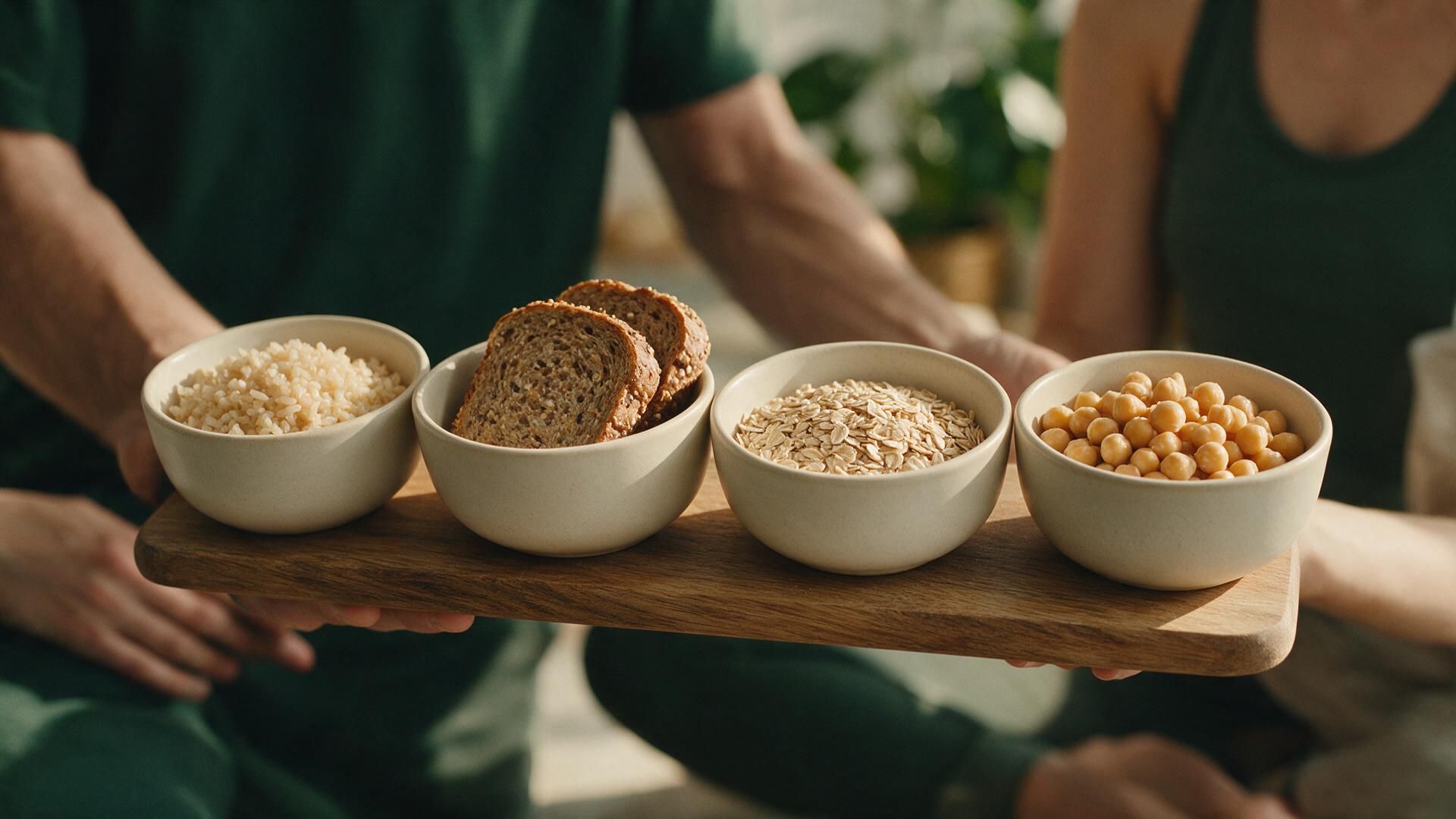
| White rice | Brown or basmati rice, or half rice + half lentils | More fiber, slower digestion |
| White bread | Wholegrain, rye or sourdough | Denser grains release sugar slowly |
| Instant oats / sweet cereal | Rolled or steel-cut oats | Less processed, lower GI |
| Mashed potato | Sweet potato, new potatoes with skin, or beans | More fiber and resistant starch |
| Juice | Whole fruit | Fiber slows the sugar |
| Sweet snacks | Nuts, yogurt, hummus with veg | Protein and fat blunt the rise |
It is the whole plate that counts
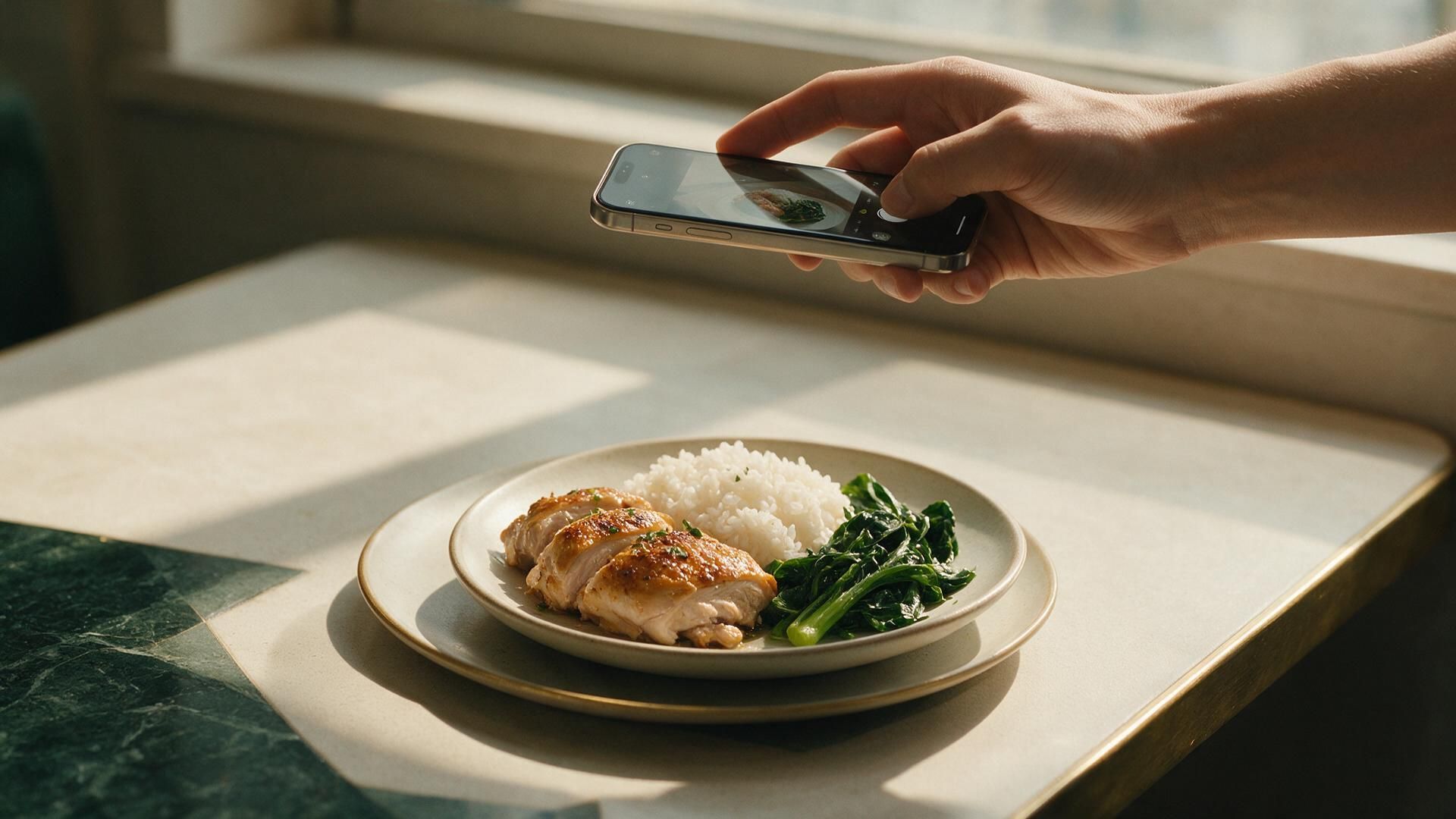
- Fill half the plate with non-starchy vegetables.
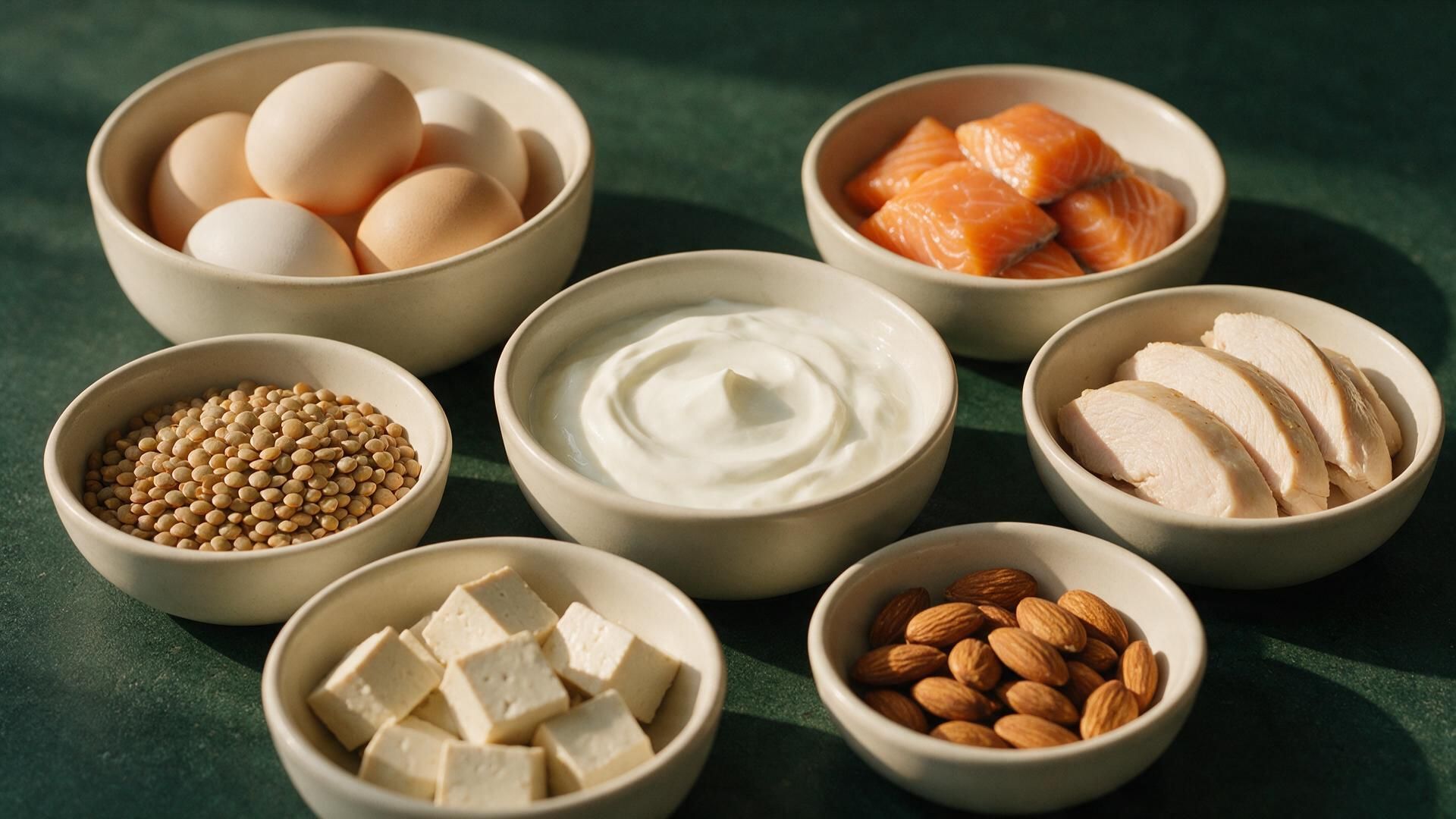
- Add protein (fish, tofu, eggs, chicken, beans) to every meal.
- Keep carbs to about a quarter of the plate, and pick the high-fiber ones.
- Eat vegetables and protein first and the carbs last; studies suggest this order can soften the blood sugar rise.
Cooking tips
Cook pasta al dente, and let cooked rice or potatoes cool before reheating: both increase resistant starch, which digests more slowly. A splash of vinegar or lemon in a dressing may help too.
If you take insulin or glucose-lowering medication, check with your doctor or dietitian before changing how much carbohydrate you eat.
General information, not medical advice. Check with a healthcare professional about your own situation.