A gentle starter guide to eating for PCOS
Protein, fiber and steady meals, without strict rules.
[Author name, credentials] · [Date] · Reviewed by [registered dietitian]
Polycystic ovary syndrome (PCOS) affects roughly 1 in 10 women of reproductive age. Many people with PCOS have some insulin resistance, which is why eating patterns that keep blood sugar steady often help with energy, cravings and weight. There is no single "PCOS diet", and you don't need strict rules.
Build a steady plate
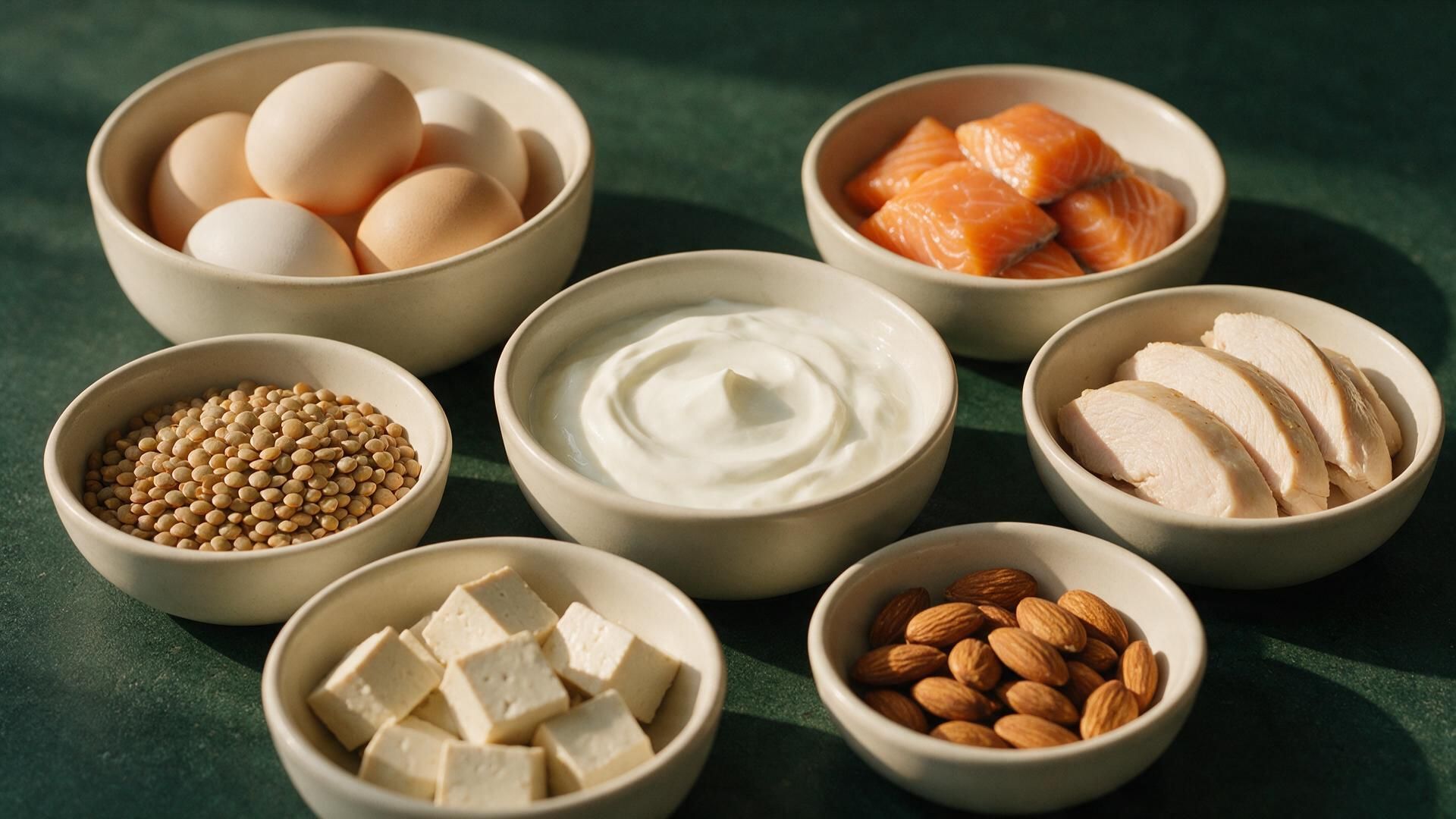
- Protein at every meal: eggs, fish, chicken, tofu, beans or Greek yogurt.
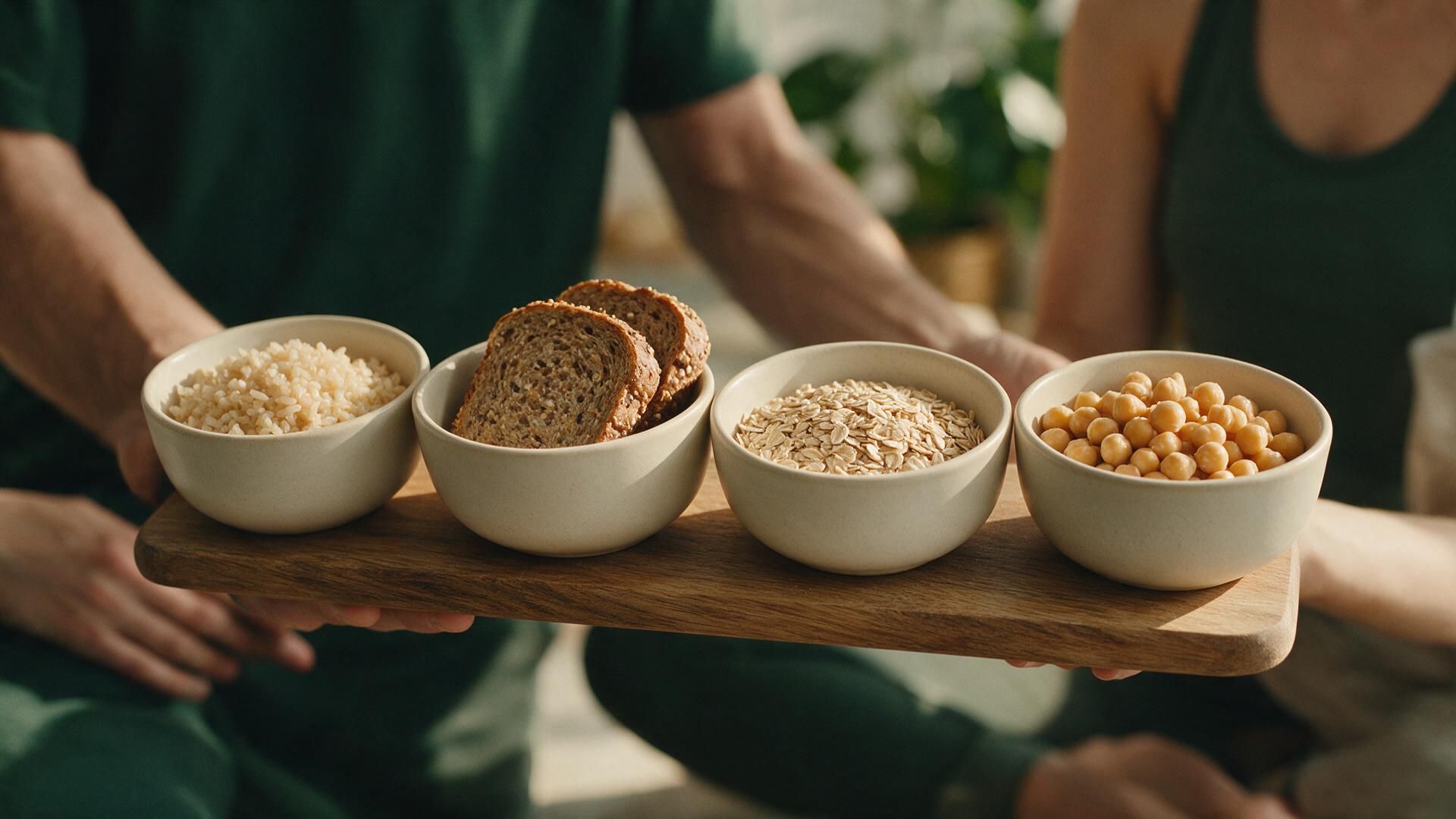
- Plenty of fiber: vegetables, beans, lentils, whole grains and fruit.
- Slow carbs over fast ones: see our low-GI swaps.
- Healthy fats: olive oil, nuts, seeds, avocado and oily fish.
Eat regularly
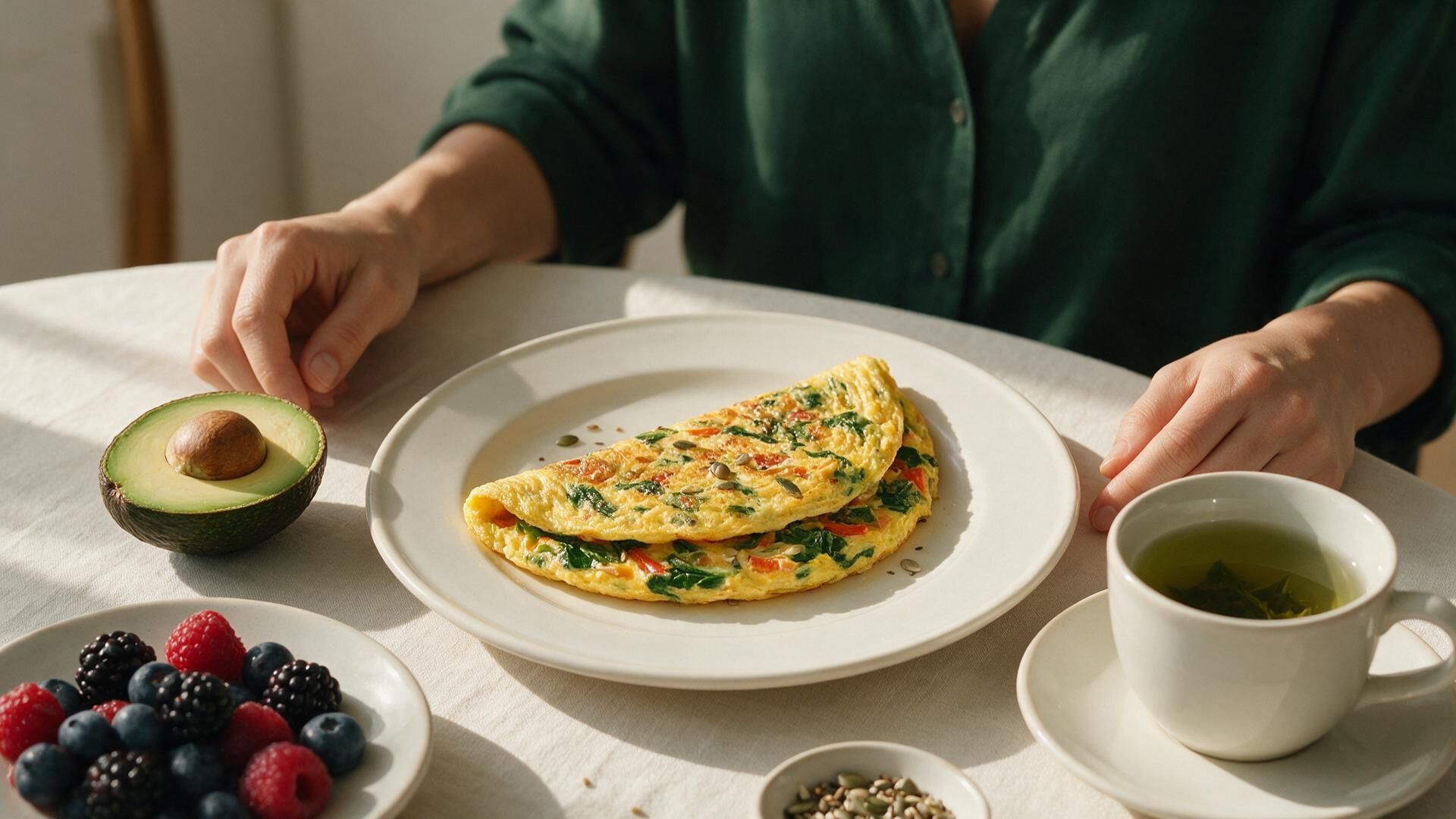
Three meals and a snack if you need one keeps blood sugar steadier than long gaps followed by large meals. If mornings are hard, a quick protein-based breakfast (yogurt with nuts, or eggs on toast) makes a difference.
Move in ways you enjoy
Activity improves insulin sensitivity even without weight change. A mix of walking, strength training two or three times a week, and anything you enjoy works well.
What about supplements?
Inositol, vitamin D and omega-3 are often discussed for PCOS. Evidence is mixed, and they can interact with other treatments, so talk to your doctor before starting any.
Small, steady changes work better than strict diets. Even a 5% weight change, if weight loss is a goal for you, can improve cycles and symptoms.
PCOS is a medical condition. Work with your doctor or a registered dietitian on a plan that suits you.
General information, not medical advice. Check with a healthcare professional about your own situation.